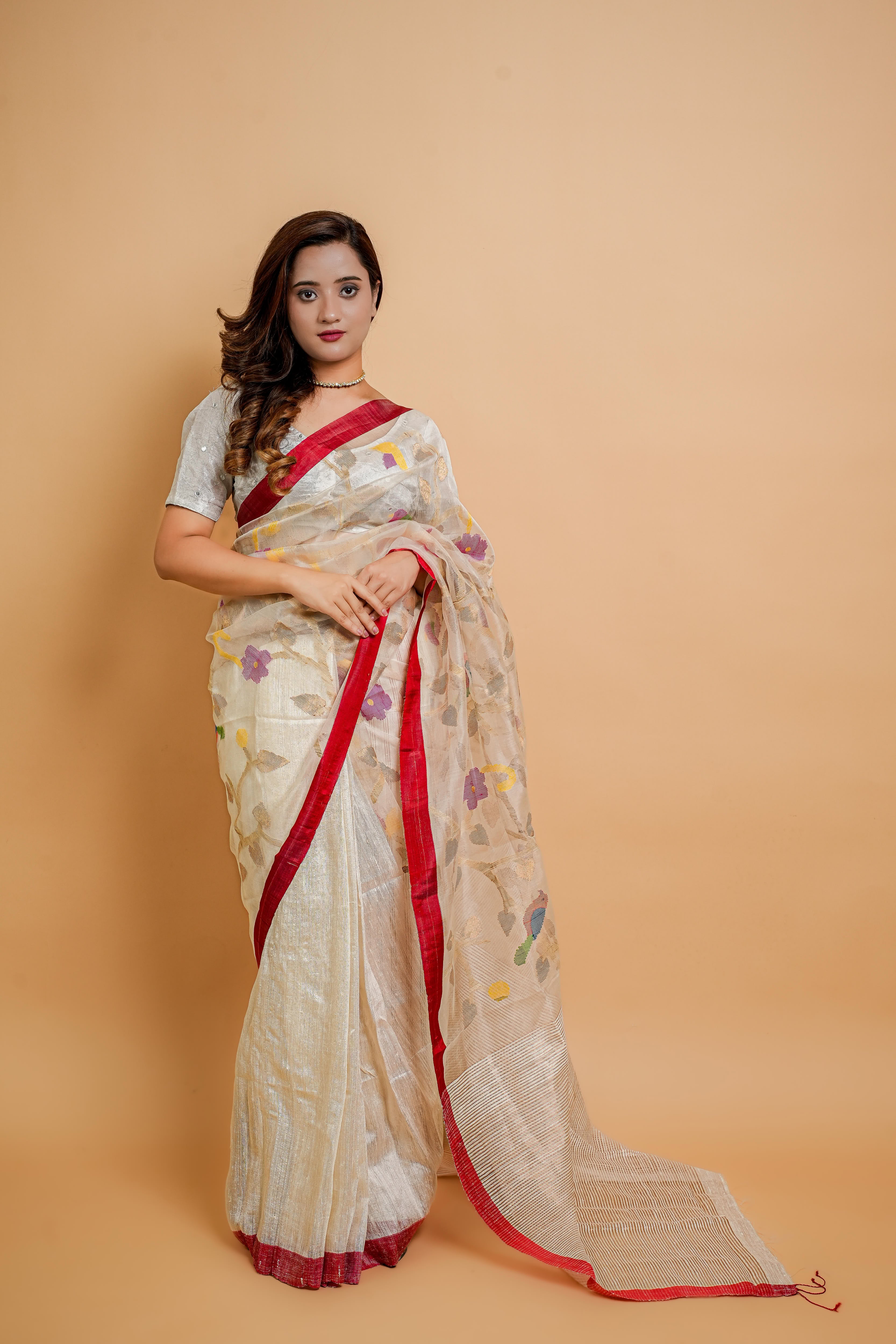
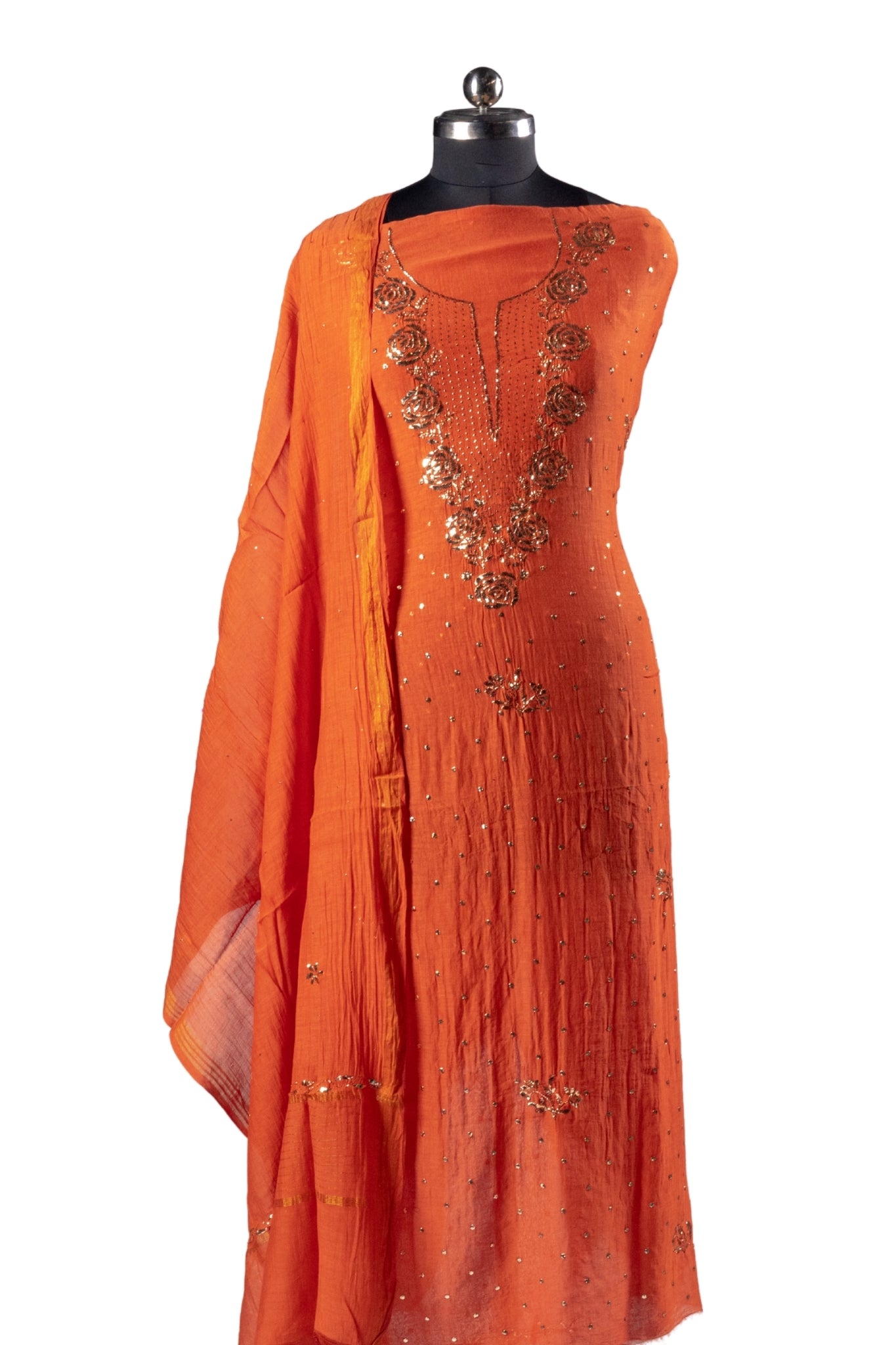
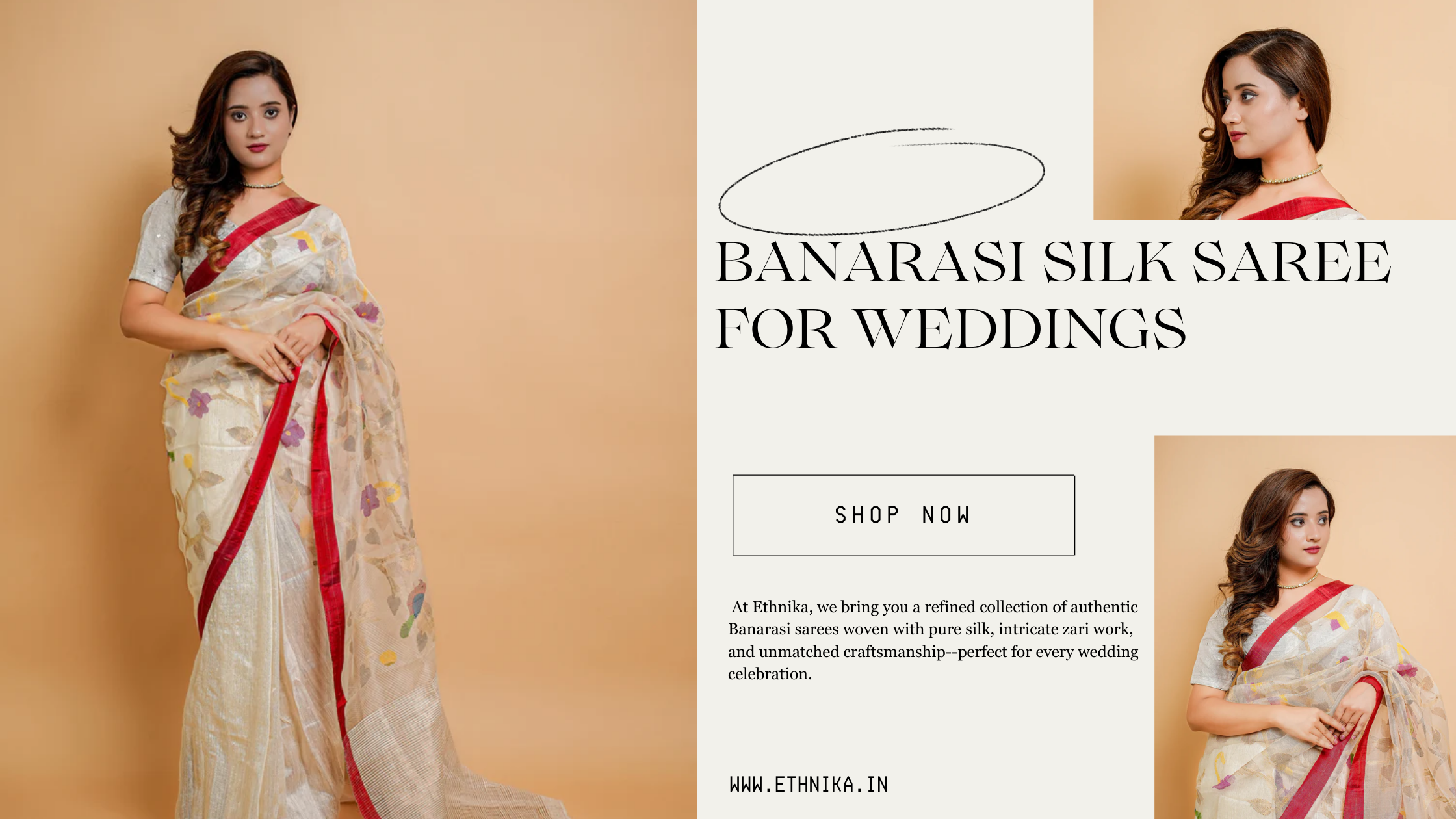
Banarasi silk is a garment that has a royal appeal and a high level of craftsmanship. These sarees were woven in Varanasi - the spiritual and cultural centre of India. These sarees embody centuries of tradition, artistry and elegance. You can join the tradition of wearing a pure Banarasi Silk Saree, which has been worn for centuries by brides, queens and other icons of elegance.
History is rich heritage with a long-standing history
Banarasi sarees result from the weaving traditions of Varanasi. This city is rich in history and a spiritual hub. Varanasi weavers developed weaving techniques that combine silk threads with real zari (gold or silver). The result was a fabric so luxurious, it became a symbol of royalty and status. Banarasi sarees were transformed into wearable pieces of art by the Mughal influence on design, as seen in motifs like paisleys or floral vines.
Banarasi sarees are characterized by their richness, depth and weight, which is often made of "katan" silk (katanic). The hand-woven sarees, which are made by highly skilled artisans can take several weeks or even months to complete, depending on the complexity and density of the zari. The final drape reveals the patience and skills of the artisans.
What Makes Pure Silk Banarasi Sarees Special
The saree is made of a luxurious material with an elegant texture. Pure silk feels smooth and soft against the skin. The flowing and heavier nature of pure silk gives the garment a more elegant silhouette.
Zari & Brocade - Intricate motifs woven with real gold or sterling zari are a great way to enhance a saree. Zari work can be used to create intricate brocade patterns, floral vines, paisleys, or designs from the Mughal era. It adds sparkle, depth and a timeless appearance.
A Banarasi Banarasi silk saree, a pure silk saree, is a heritage heirloom. It is not only clothing. It can be handed down from generation to generation and last for decades with proper maintenance.
Sarees are versatile: While Banarasi sarees are often associated with weddings and formal events, they can be worn for family gatherings, parties, or even festivals.
How to Choose a Pure Silk Banarasi Saree Checklist and Tips
Many fakes are available, including art-silk and power-loomed versions that are less expensive.
-
It may be a synthetic blend or a fake if the saree is too light, but it claims to have heavy-duty brocade. If the saree feels too light, but says it has heavy brocade, it may be a counterfeit.
-
When buying online, or through a brand name, ensure the seller can provide authenticity credentials. If you are buying online or from a brand, ensure the seller has authenticity credentials.
Choose reputable stores: Look for established, verified sellers -- especially those that specialize in handlooms. You will be less likely to get a saree which is a mix or an imitation.
Quick look at some of our picks
-
VKaran Woven Banarasi Saree - A classic pure silk Banarasi saree, with rich zari embroidery and traditional motifs. Ideal for weddings and festive attire.
-
Aura Benaras Pure Handloom Silk Saree - This elegant piece is a showcase of handloom craftsmanship, ideal for those who value traditional weaving and timeless appeal.
-
Pure Katan Silk Banarasi Handloom Saree - A pure katan saree that has the weight, sheen, and drape of Banarasi.
-
Taneira Red Pure Silk Banarasi Saree -- This blend of traditional and contemporary style is perfect for those who are looking for statement designs and intricate cutwork.
-
Tilfi Rosy Pink Pure Katan Silk Banarasi Saree - A luxurious choice for special occasions. This saree features premium silk with a rich weave.
-
Saree in Red Boota Satin Banarasi Silk -- Combining classic motifs and modern versatility. Suitable for weddings or receptions.
-
Banarasi Mashru Silk Saree With Zari Work -- This is a lighter version of pure katan, which offers a comfortable drape.
-
Pure Tissue Silk Banarasi Saree Border Saree - Lighter, more manageable and still with the Banarasi sheen.
How to care for your pure silk Banarasi Saree so that it lasts generations
It is a treasure to own a Banarasi silk saree, but it needs care and respect in order to maintain its beauty over the years. How to maintain your Banarasi saree properly
-
Store in a dry, cool place. Wrap your saree with a cotton or muslin cloth, not plastic, to protect it from dust and moisture.
Why Investing in a Pure Silk Banarasi Sari is Worth it
A pure silk Banarasi saree is more than just clothing. This is an investment into a tradition. It's a great investment:
-
Silk woven with traditional motifs and genuine Zari offers an unsurpassed level of luxury and elegance. This is the perfect gift for any event, be it a wedding or milestone celebration.
-
With proper care, a pure Banarasi Silk Saree will last for many decades or even several generations. These are passed down to future generations as family heirlooms.
-
You are supporting the preservation of culture and art by purchasing pure Banarasi. Also, you help preserve India's weaving heritage. Each saree is a tribute to the centuries-old craftsmanship.
-
Banarasi sarees can be worn to formal or informal celebrations.
-
Status and Grace: A woman draped with Banarasi Silk exudes tradition. She radiates timeless elegance.
Banarasi Sarees - Avoid these common pitfalls when purchasing them
Even the most experienced of shoppers can be fooled by fake sarees. Beware of these common mistakes.
FAQ - Frequently Asked Questions about Banarasi Sarees in pure silk
Q1. What does “pure silk” in Banarasi saree mean, and why does it matter?
A: "Pure Silk", means the base fabric is 100% silk (usually katan silk), and does not contain any polyester, rayon or other synthetic fibres. The saree has the durability, sheen and weight of Banaras' traditional weaving. The purity of the silk will affect the placement of zari threads and the drape.
Q2. How can I check if a Banarasi saree is authentic and not a fake or blended version?
Banarasi silks sarees are ideal for weddings and festivals. Banarasi silk sarees are perfect for family gatherings, cultural events, formal occasions and family events. For grand events, the heavier brocades and zari-worked sarees work best. The lighter georgette and tissue-silk sarees can be worn for semi-formal or festive daytime occasions.
Q3. What occasions are best for wearing a pure silk Banarasi saree?
Wrap the saree in a cotton cloth or muslin and store it somewhere cool, dry. Refolding the saree is essential to prevent deep creases. Only dry-clean -- do not wash at home. Iron with low heat using a soft, lint-free cloth. Avoid snags by handling zari delicately. Regular maintenance keeps the silk soft and the zari intact.
Q4. How should I store and maintain my Banarasi silk saree so it lasts for years?
The Banarasi Sarees are handwoven over several weeks or months by highly skilled artisans, using only real silk and Zari. The quality of the craftsmanship, labour intensity, materials, and heritage value are all factors. Low-cost alternatives often have inferior quality because they are made from synthetic blends, imitation zari or power loomed.
Q5. Why are pure Banarasi silk sarees expensive compared to regular sarees?
While many people wear heavy silk Banarasis for weddings and special events, lighter versions, such as sarees with less heavy brocades or tissues silk Banarasis, can be worn at formal occasions, festive gatherings, religious functions, and formal gatherings. With proper care, they can last many years.
The conclusion to the article is:
A pure silk Banarasi saree is much more than clothing. It is a living tradition. This is the culmination of centuries of art, craftsmanship and pride in culture. A Banarasi Silk Saree will last a lifetime and provide elegance unmatched.
The zari and silk sarees, with their gleaming sheen, and the heavy drape, which falls like liquid gold, are all a reflection of luxury and tradition. When you choose the right saree -- choosing authentic fabric, ensuring its authenticity and caring for it -- you're not just buying a saree. You are carrying on a centuries-old tradition.